Oct 19, 2026OEM & ODM
OEM or ODM: Choosing the Right Route for Your Scale Brand
What changes — and what stays the same — when you put your brand on an existing scale platform versus commissioning an adapted design.
Two routes, one starting point
OEM places your brand on an existing platform: logo, colors, housing finish and packaging change while the internals stay proven. ODM adapts the housing, electronics or accessories to your brief. Both routes start from the same question — which standard model is closest to what your market needs?
When OEM is the faster route
OEM suits buyers who need a reliable SKU under their own label: branding, color boxes and carton marks are coordinated, the technical platform is already certified, and sampling runs on known tooling. Standard-platform samples can be ready in as little as 48 hours at the cooperating factories.
When ODM earns its longer timeline
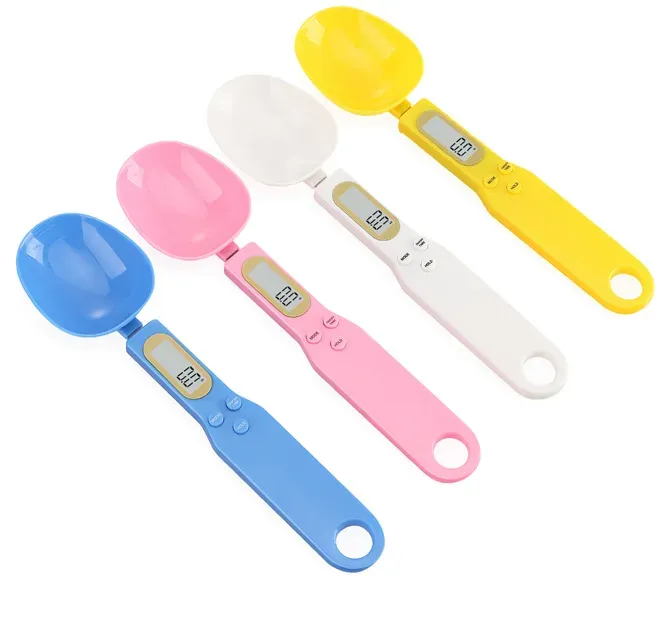
ODM makes sense when a standard housing does not fit your shelf: a different scoop shape, an added display mode, a custom accessory. The trade is a longer development cycle and tooling review. Ask for a written scope before committing — housing changes touch certification and packaging together.
What the trading partner coordinates
ZmoTek coordinates quoting, artwork, packaging and shipping documentation as one workflow. Artwork can be planned against each model's published color-box and master-carton dimensions, so the print file matches the physical carton instead of a template guess. Certification paperwork from the cooperating factories is coordinated with the booking.
Start with a model shortlist
Send your target market, brand assets and annual volume estimate. We will propose base models for OEM or ODM, confirm sample timing and put together the packaging and documentation plan for the first order.